Plant Spotlight

Filter posts by category

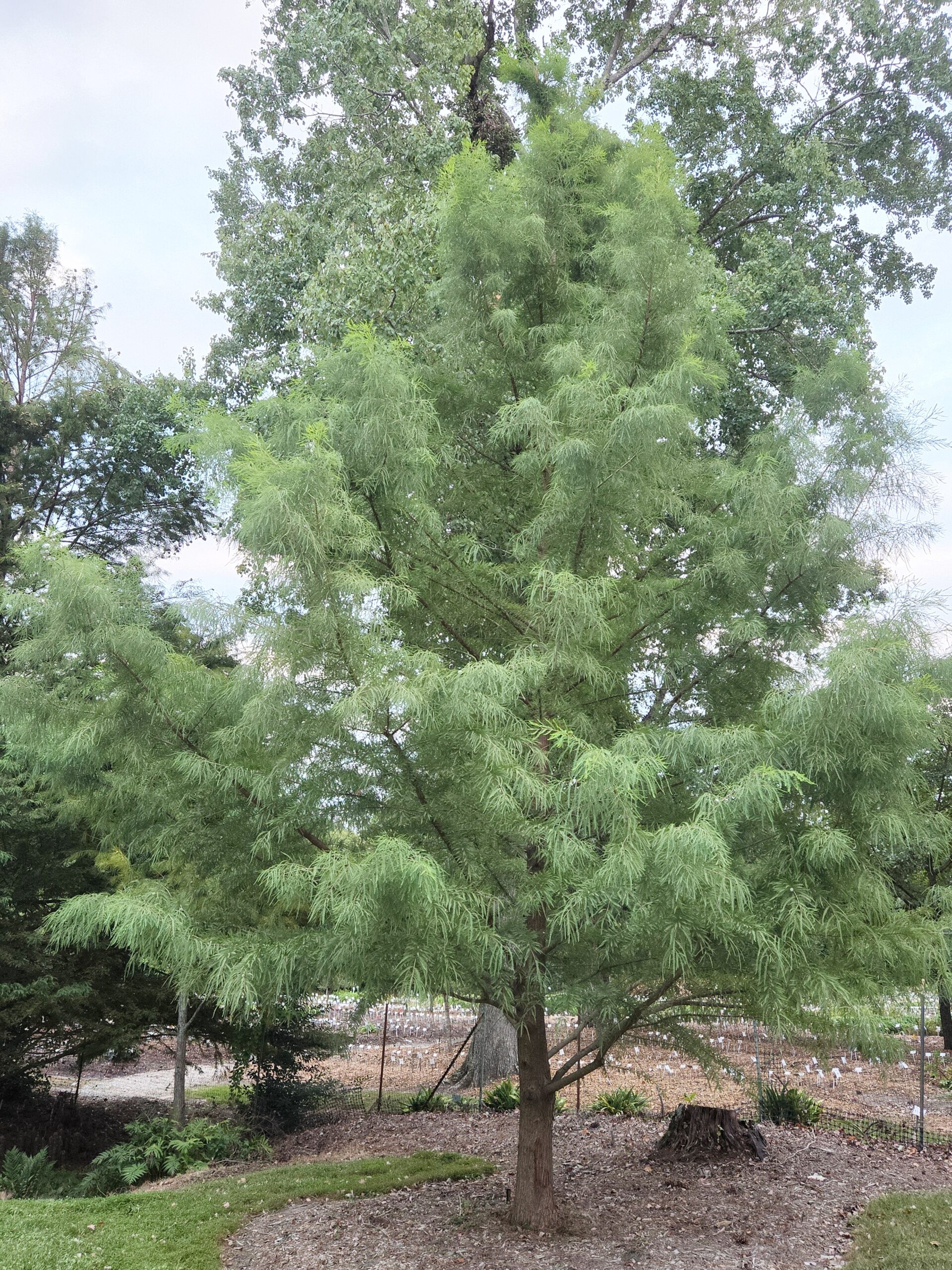
Taxodium 'LaNana' at JLBG

LaNana – No Hair and No Knees

It’s hard to talk about bald cypress, without a brief mention of Taxodium taxonomy. We adopt the concept of three separate species, although some taxonomists prefer to lump them all in a single species with three varieties. They are Taxodium acendens (aka: T. distichum var. imbricatum), Taxodium distichum (aka: T. distichum var. distichum), and Taxodium

LaNana – No Hair and No Knees Read More »

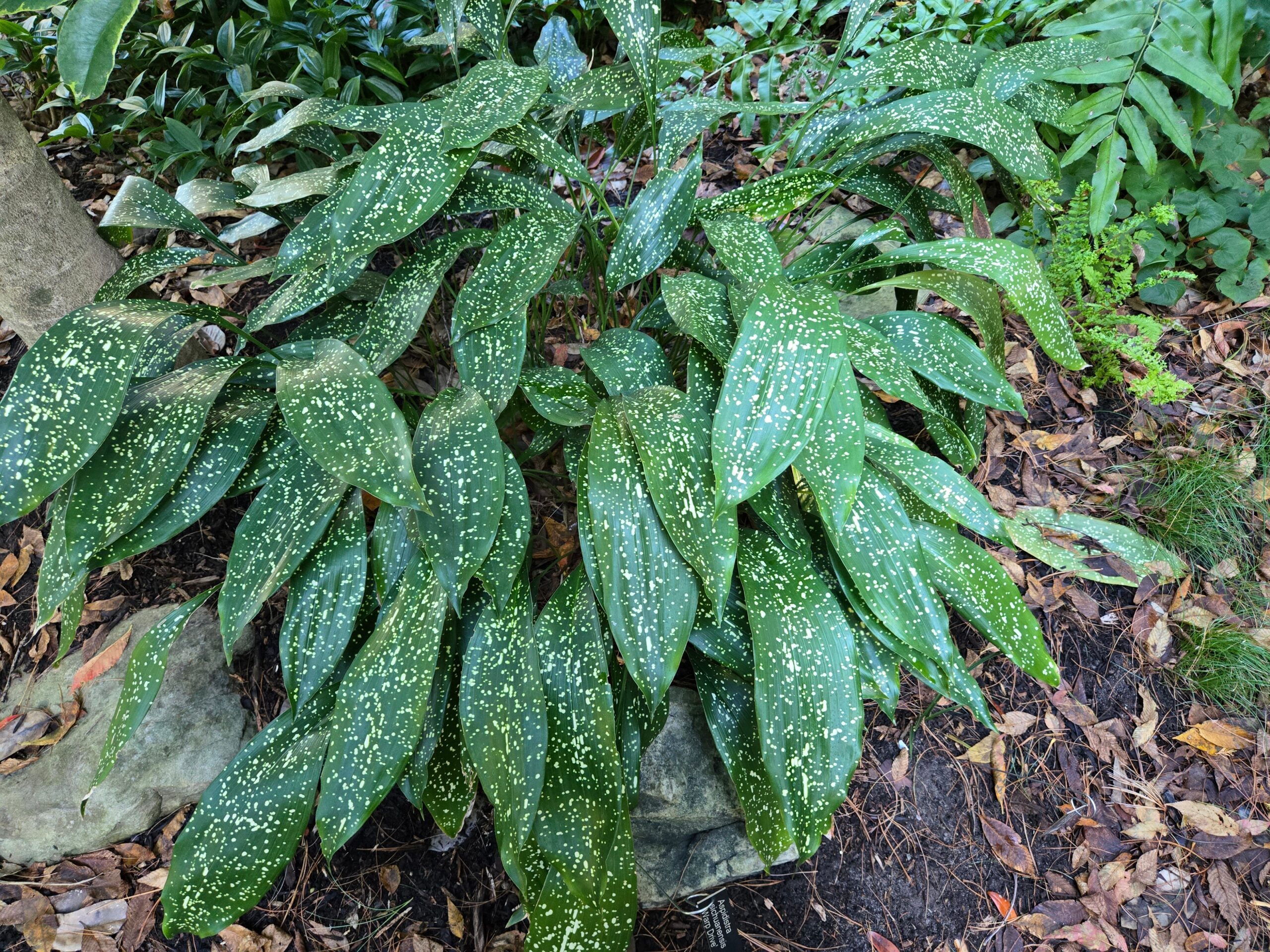
Aspidistra sichuanensis 'Warp Drive'

Warp Drive

Reminiscent of the television graphics when the Starship Enterprise shifts into hyper warp drive, Aspidistra sichuanensis ‘Warp Drive’ gives the same effect in the woodland garden. Unlike Aspidistra elatior cultivars, which have upright foliage, the leaves on Aspidistra sichuanensis arch at a 90% angle, creating a very different visual effect in the woodland garden, as

Warp Drive Read More »

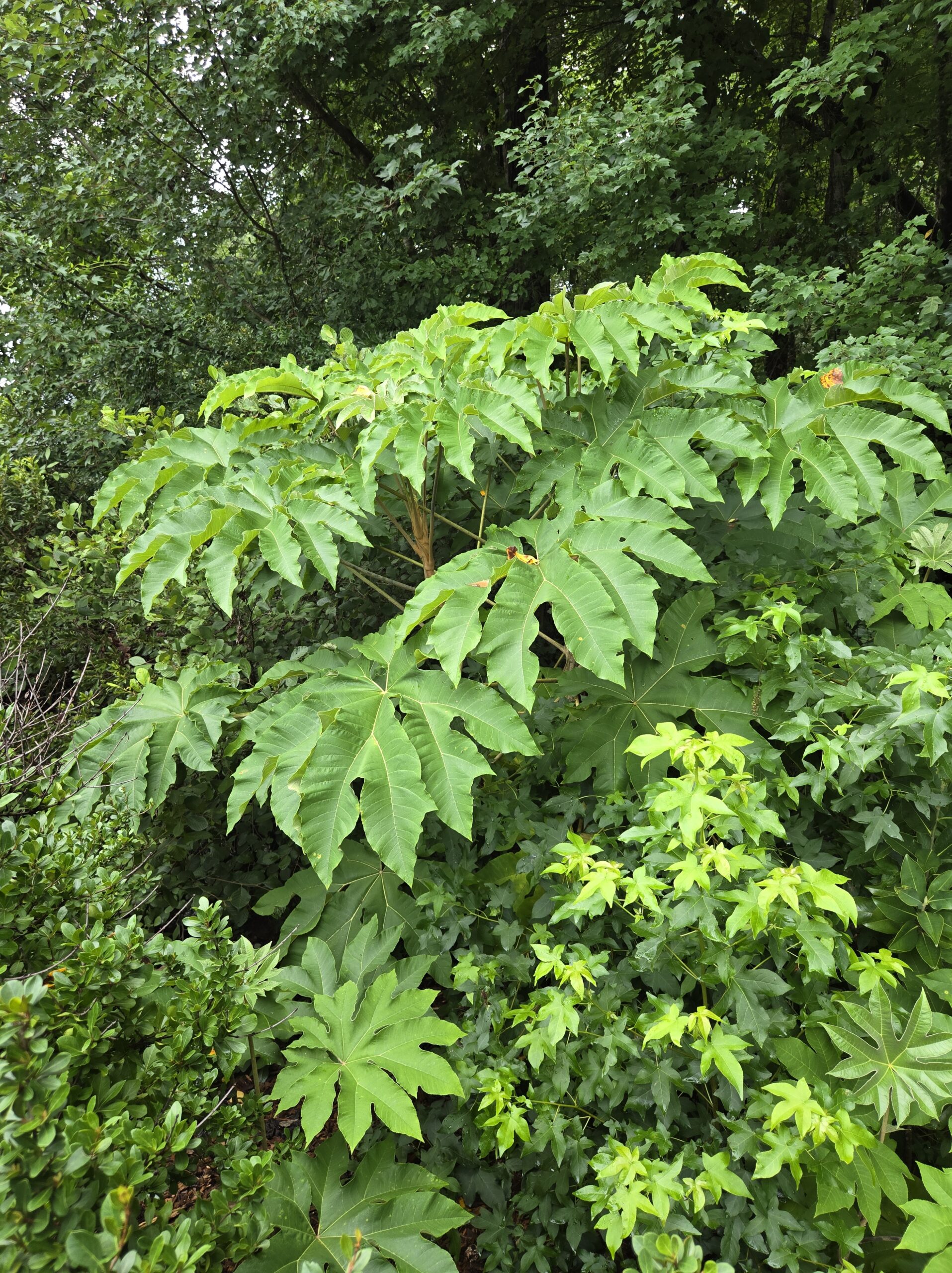
Tetrapanax papyrifer 'Rex'

T-Rex is Coming

We’ve long enjoyed the tropical-looking Arailia family genus, Tetrapanax…in spite of it’s root suckering tendancies. You would think that plants that root suckered would be easy to propagate, but that’s interestingly not always the case. The common form of rice paper plant, which dies to the ground each winter in our climate, isn’t a problem,

T-Rex is Coming Read More »

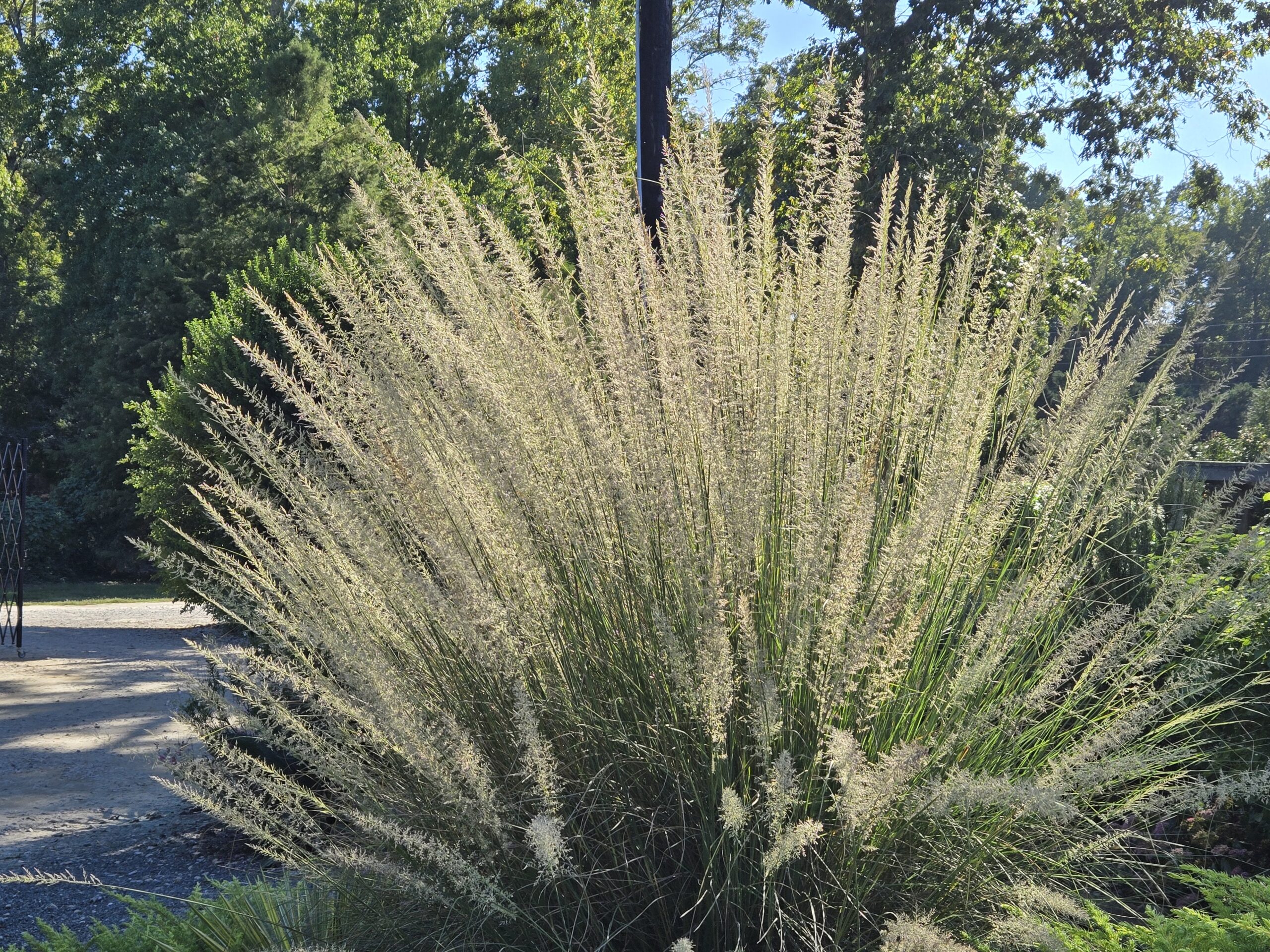
Muhlenbergia lindheimeri

Lindheimer’s Legacy

Looking absolutely ravishing in the October garden is the Texas/Mexico native Lindheimer’s Muhly, Muhlenbergia lindheimeri. Named after the Father of Texas Botany, German immigrant, Ferdinand Lindheimer (1801-1879), this amazing ornamental grass does its namesake proud. The 3′ tall x 5′ wide semi-evergreen clump of thin, glaucous-green foliage is topped with rigid plumes to 6′ tall

Lindheimer’s Legacy Read More »

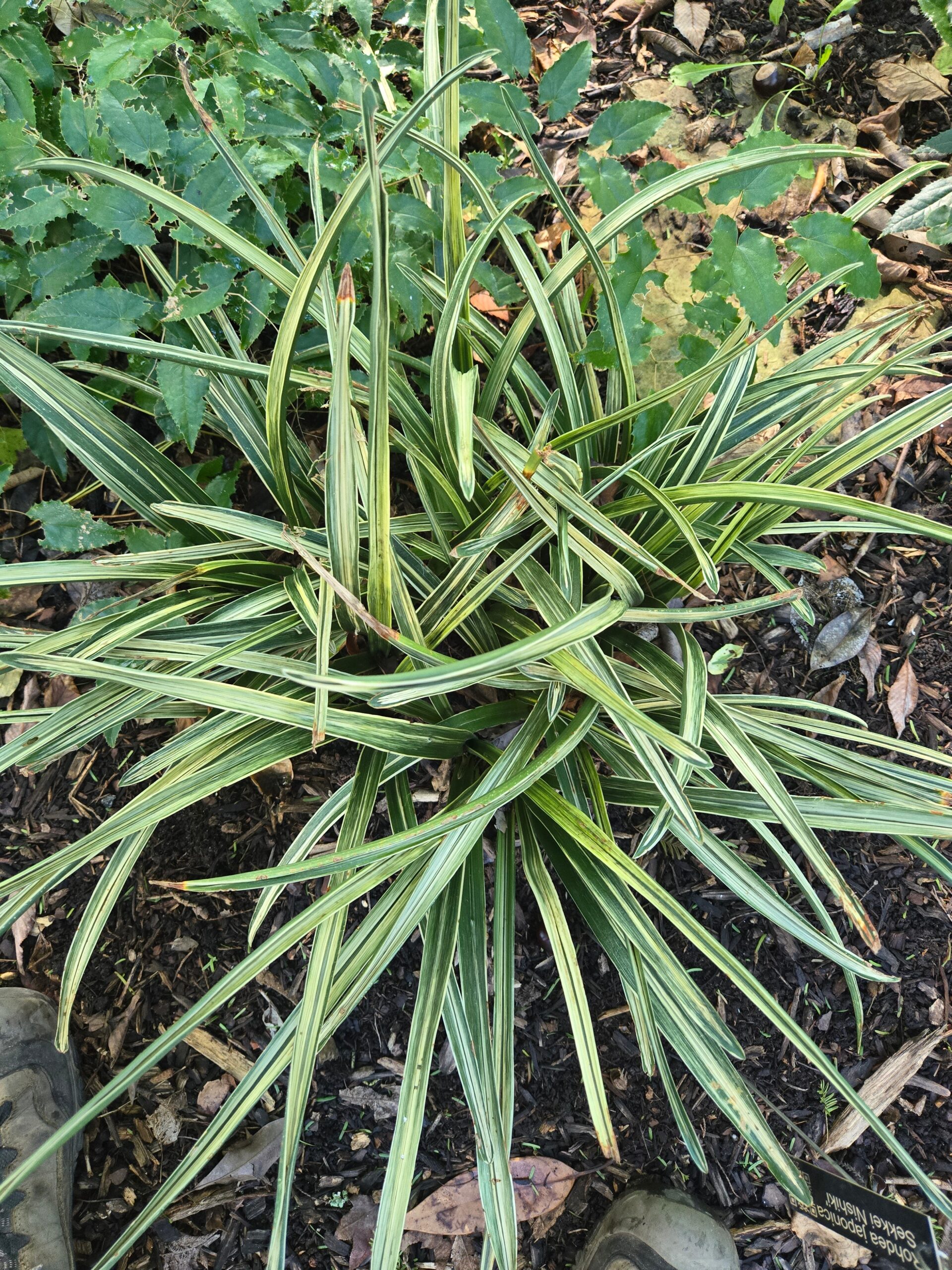
Rohdea 'Sekkei Nishiki'

Seaki Some Love

One of our favorite clones of the Japanese sacred lily, Rohdea japonica is the clone Rohdea ‘Sekkei Nishiki’. The English translation of the cultivar name is “snow valley brocade”. The narrow, thick, cupped leaves are densely streaked with creamy bands, and it forms a lovely evergreen patch in the garden. Despite these attributes, it’s probably

Seaki Some Love Read More »

Scroll to Top