Plant images from the garden and nursery

Filter posts by category

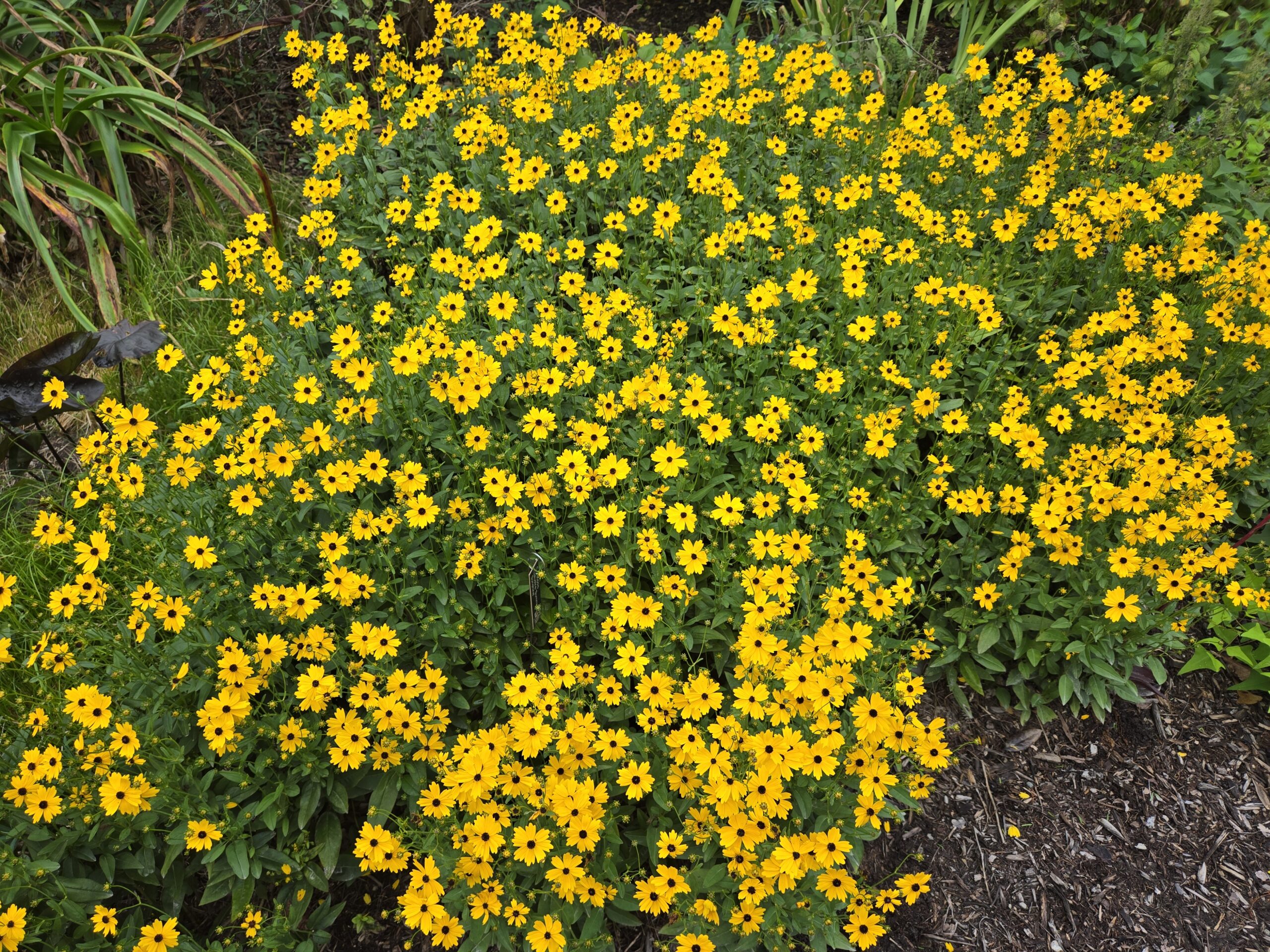
Coreopsis palustris 'Summer Sunshine'

Summer Sunshine Swamp Tickseed

Flowering now is the amazing Coreopsis palustris ‘Summer Sunshine’, an award-winning 2000 Plant Delights/JLBG introduction. Although it’s native to swampy forests, from NC south to Florida. We have found that Coreopsis palustris makes an even better specimen in full sun, and in regular garden soil…as long as the soil doesn’t get bone dry. For us, […]

Summer Sunshine Swamp Tickseed Read More »
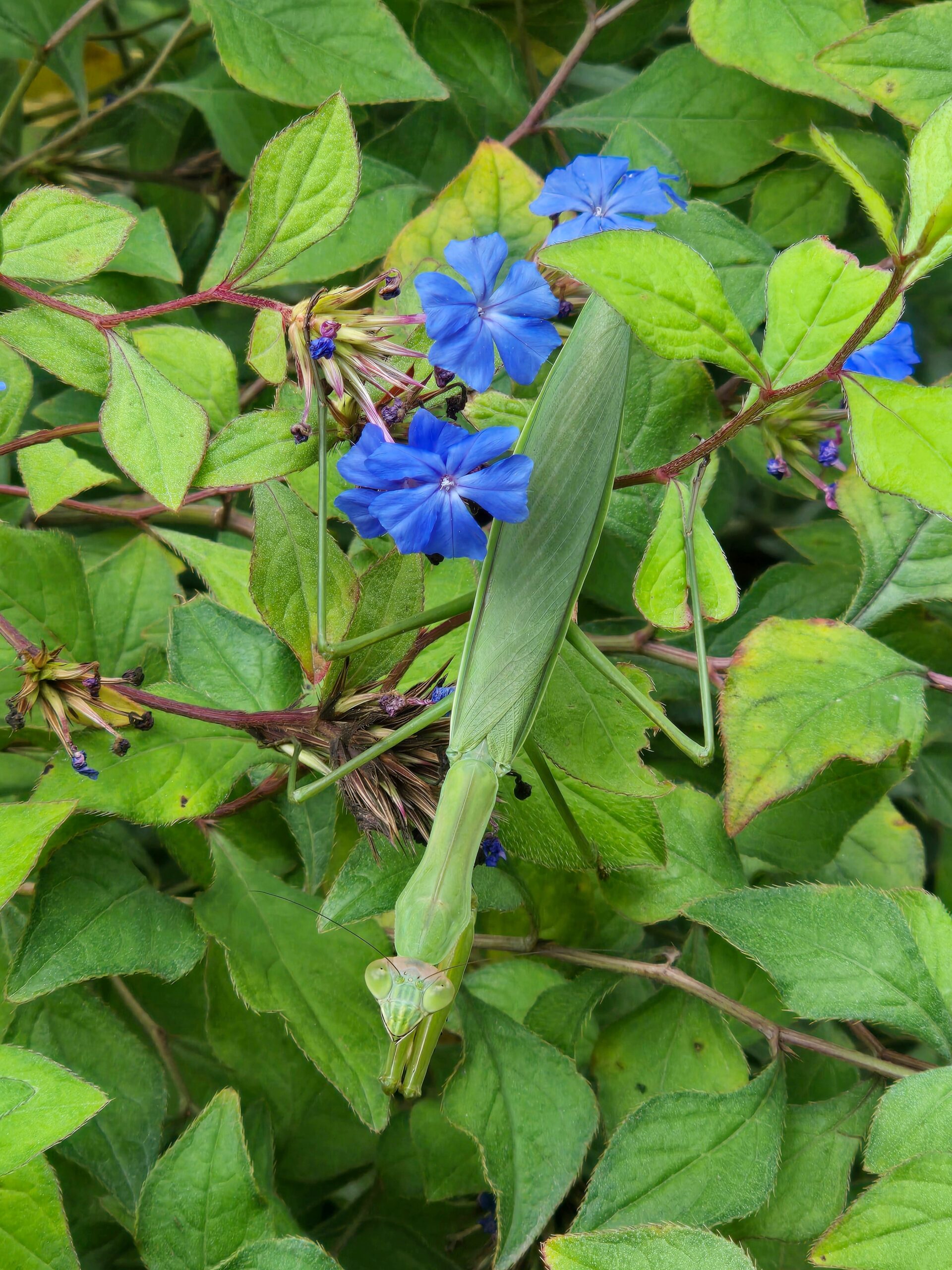
Titanotrichium oldhamii

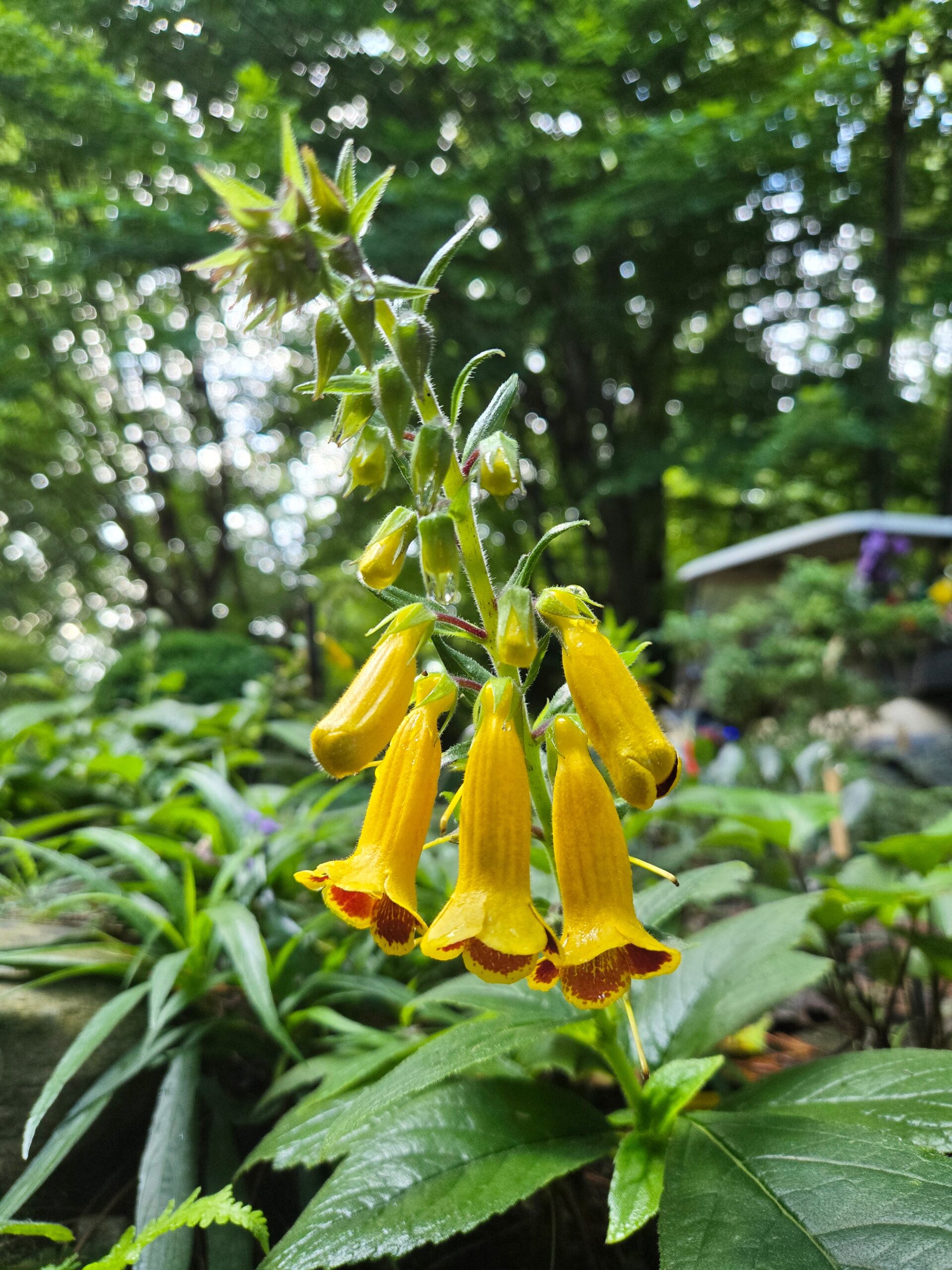
Falling for False Gloxinia

Flowering this week in our part shade rock garden, is the amazing, fall-flowered gesneriad, Titanotrichium oldhamii. This is simply an amazing plant that we grown for more than two decades. Several years ago, we were lucky enough to see in the wilds of Taiwan, where it grew from vertical rock walls. Light, but open shade,

Falling for False Gloxinia Read More »

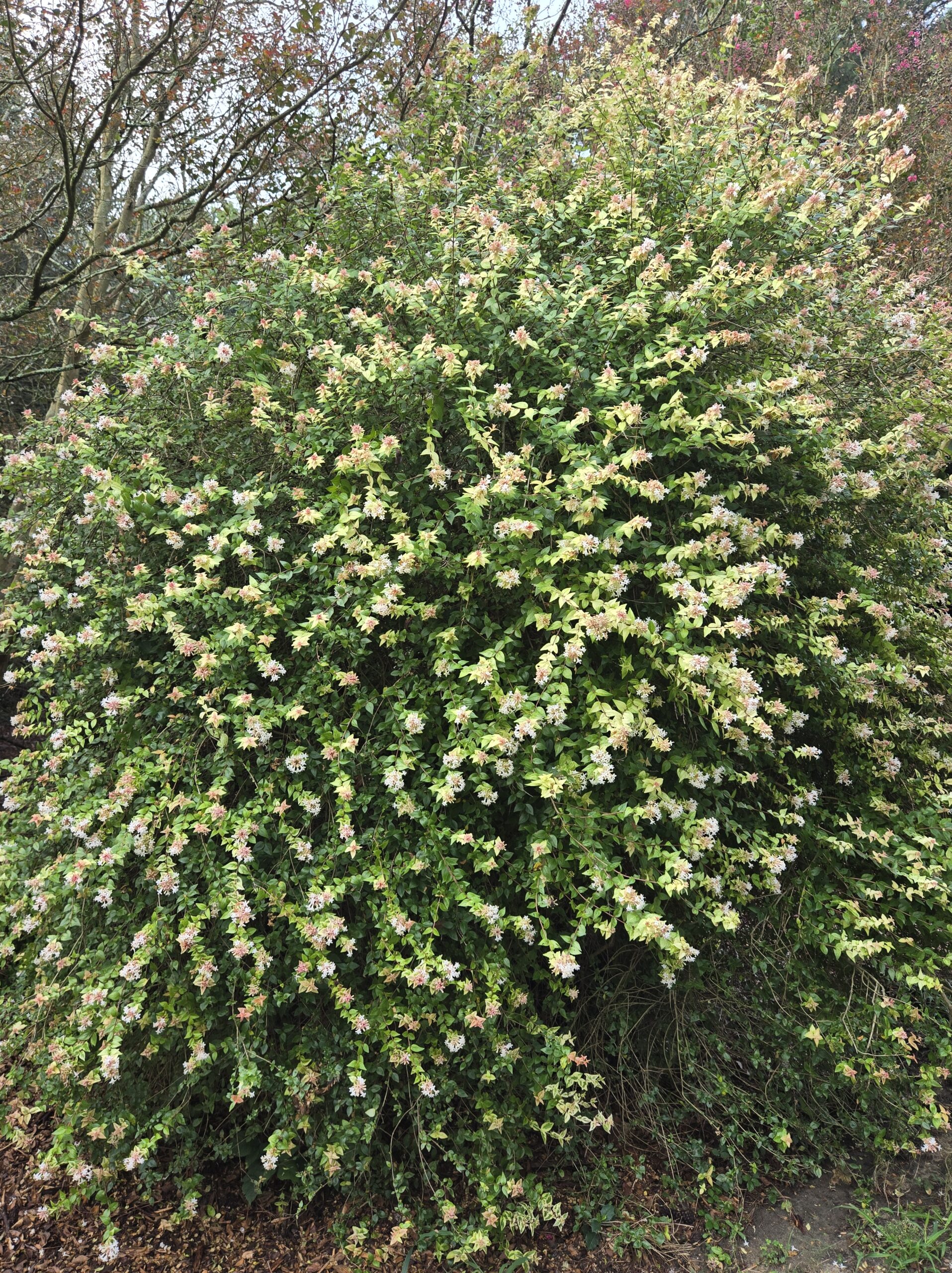
Thuja occidentalis 'Congabe'

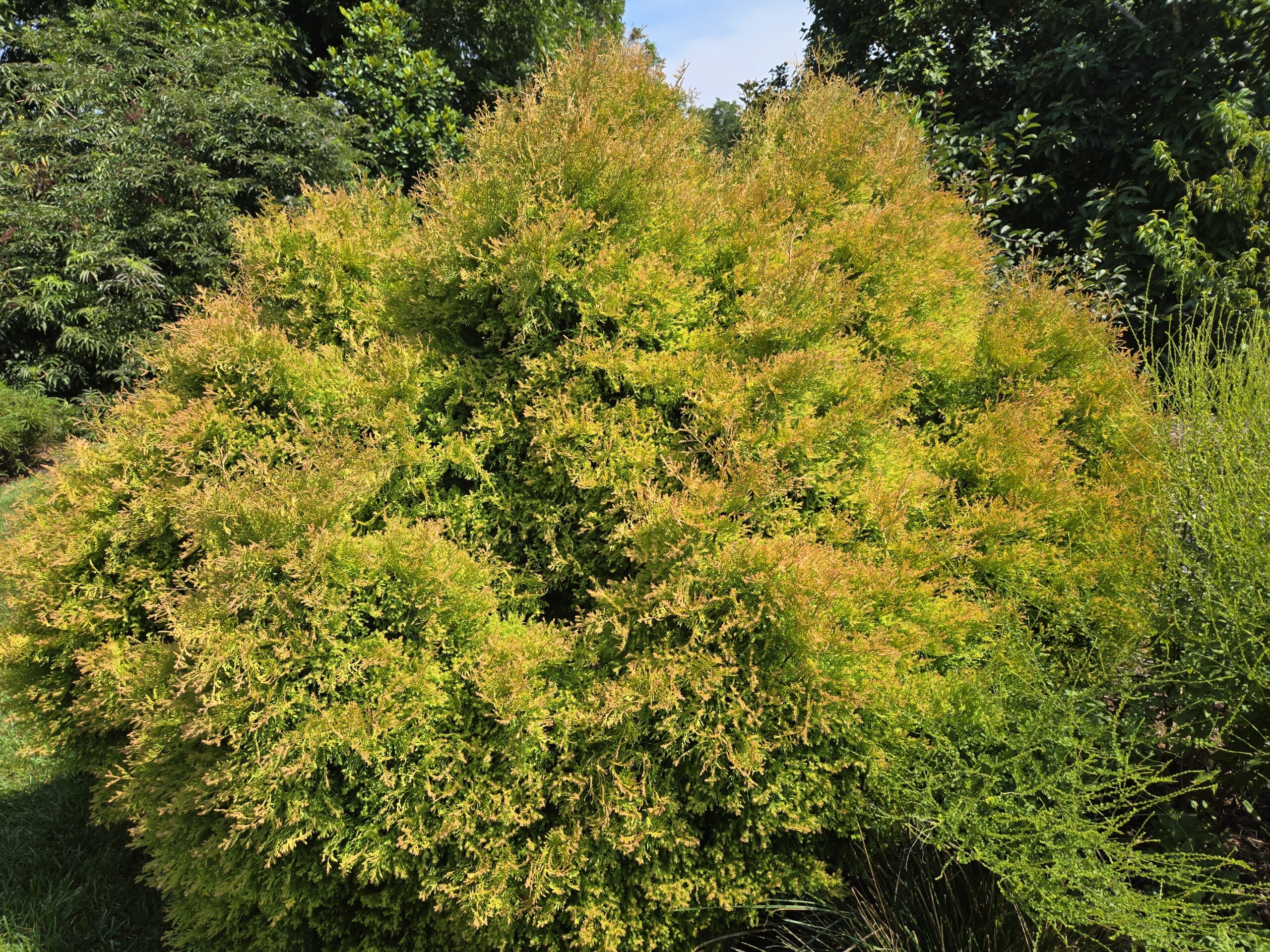
Falling in Love with the Fire Chief…shhh

We have really enjoyed the native arborvitae, Thuja occidentalis ‘Congabe’, marketed under the name Fire Chief. This juvenile foliage selection from the late Maryland nurseryman, Joe Cesarini, is a stunning plant year round. It was originally discovered as a compact branch mutation on Thuja ‘Rheingold’, which we stopped growing years ago, due to its tendancy

Falling in Love with the Fire Chief…shhh Read More »

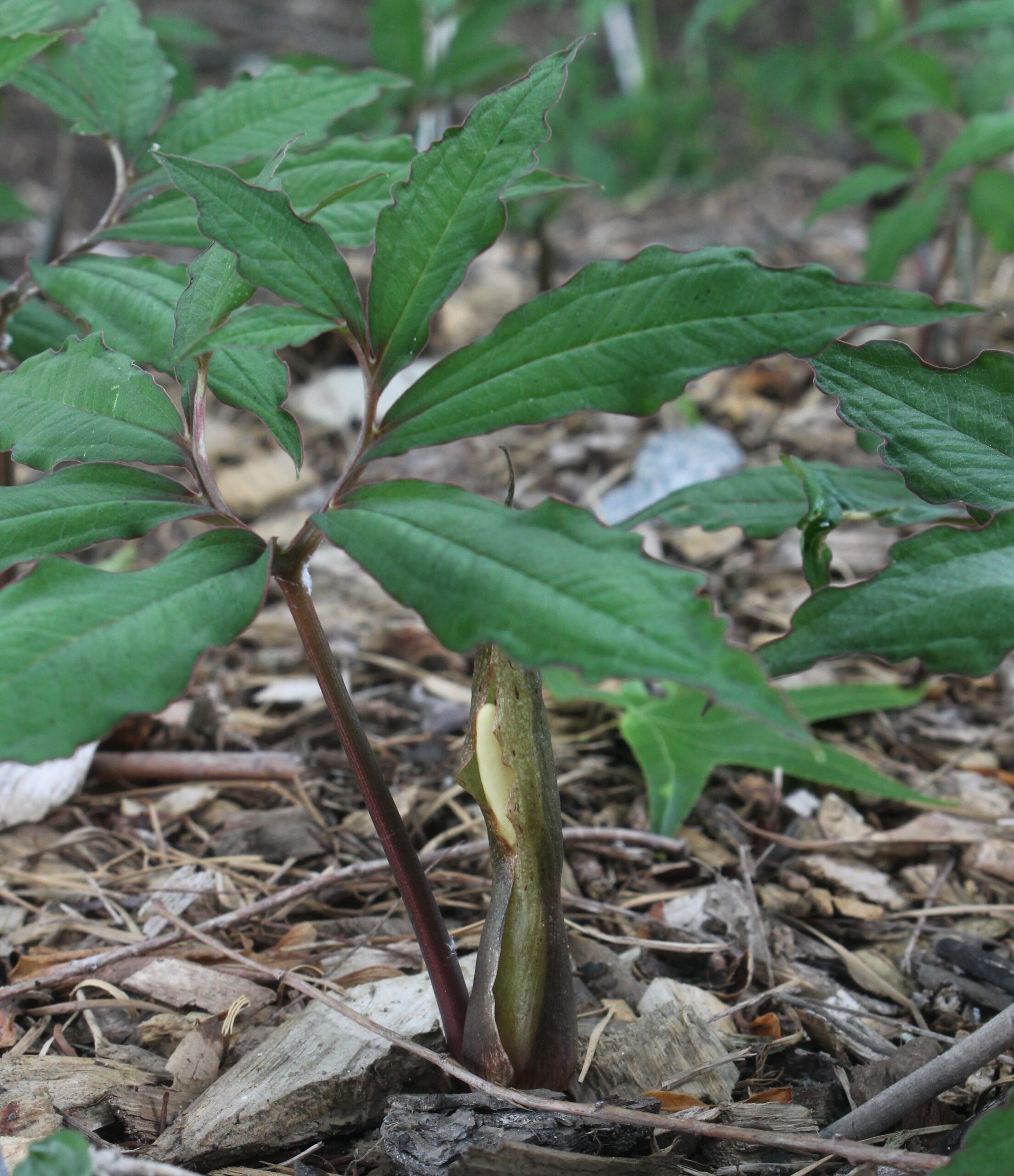
Sauromatum horsfieldii 'Little Red Riding Rood'

A Really Muddy Horse Field

We’ve grown the Asian Sauromatum horsfieldii, and other Sauromatum species, for almost two decades, and the more different accessions we grow, the more we’re convinced that there are more than one species lumped into what’s currently considered Sauromatum horsfieldii. With a purported natural range from India to Sumatra, one can only expect a number of

A Really Muddy Horse Field Read More »

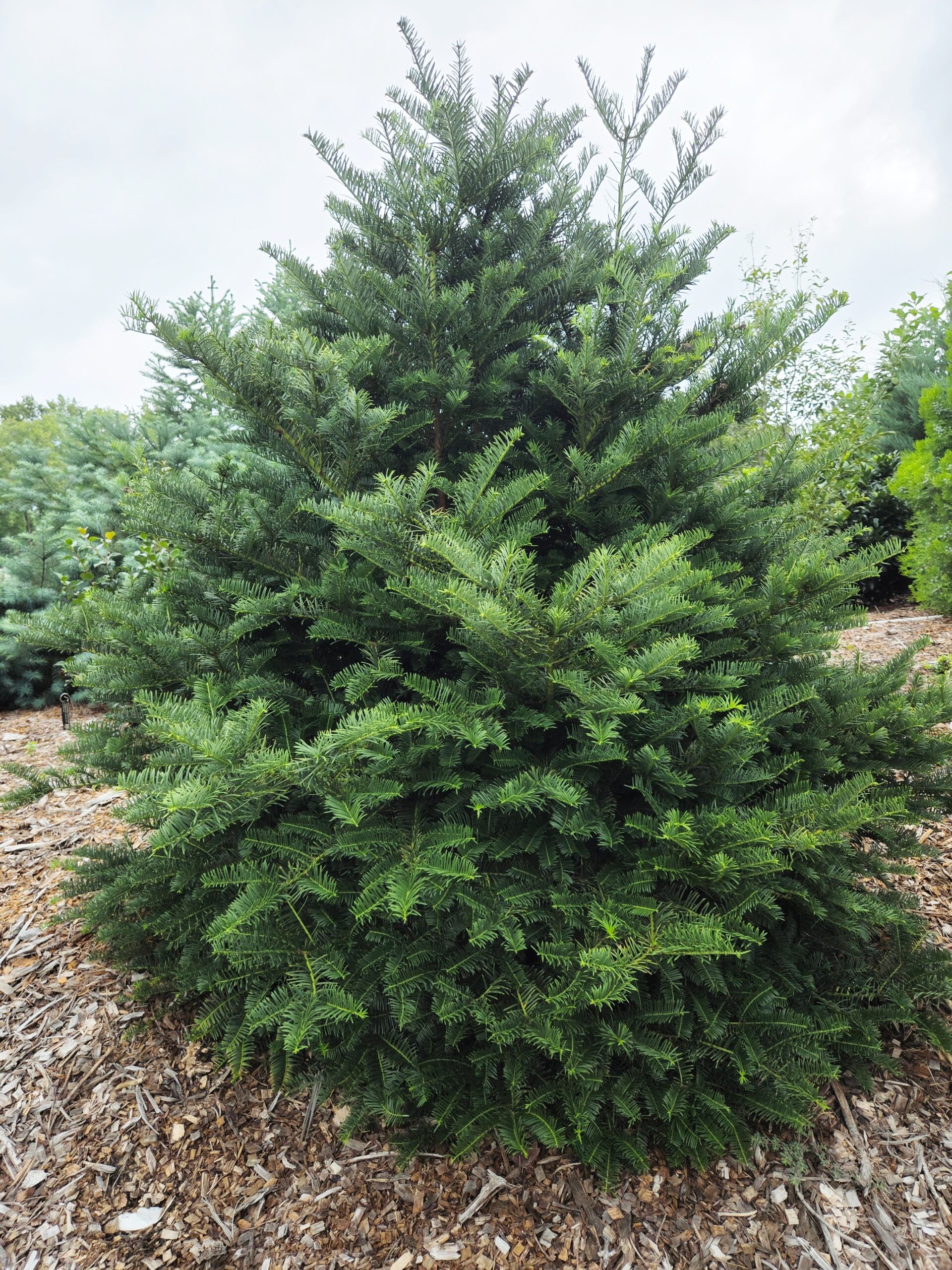
Cephalotaxus harrgintonia ssp. harringtonia

I See Yew

We’ve always loved false plum yews of the Asian genus, Cephalotaxus, which contains only eight species. In garden and nurseries, you’re most likely to see selections of the species, Cephalotaxus harrgintonia (or harringtonii), especially dwarf or columnar forms. Many years ago, I was enchanted by this wonderful form of the straight species, Cephalotaxus harrgintonia ssp.

I See Yew Read More »

Scroll to Top