lycoris

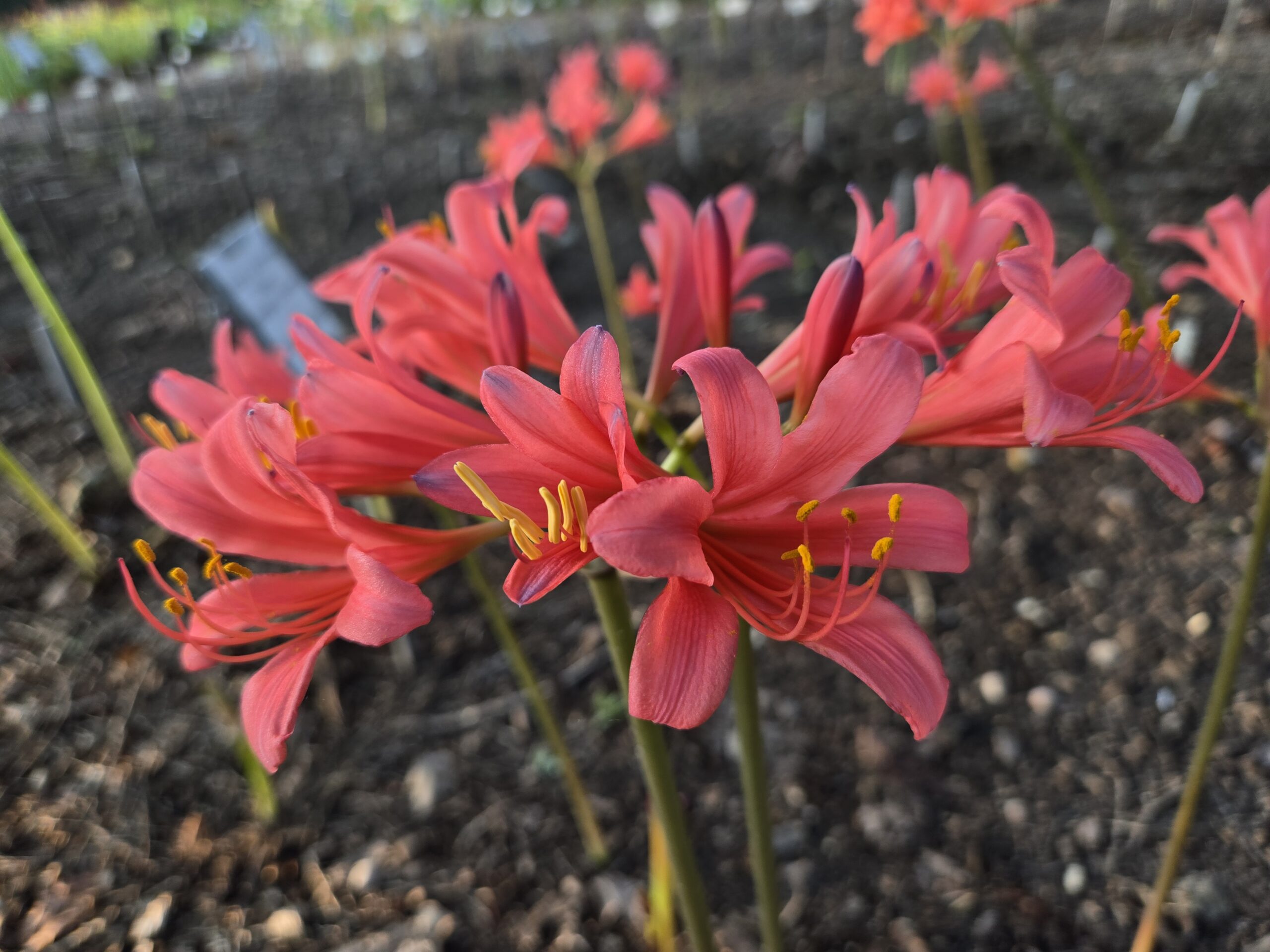
Lycoris x flaveri 'Orange Glow'

The Season of Surprises

It’s lycoris time at JLBG, as we’re just wrapping up the early part of the flowering season (July 15-August 10). Most of the early blooming surprise lilies are the spring-foliaged species and hybrids. Typically, there are only a few of the fall-foliaged selections that flower during this early period. Sadly, most gardeners have only grown

The Season of Surprises Read More »

Lycoris aurea

A Summer of Surprises

The procession of Lycoris (Surprise lilies) continues as we pass mid-August. Here are some recent images. So far, this year, we have flowered over 300 different taxa. Below is Lycoris aurea, which has the widest natural range of any lycoris, from India to Africa, south to Indonesia. Winter hardiness of this fall-leaf species is dependent

A Summer of Surprises Read More »

Lycoris longituba 'Butterfingers'

Surprise time begins

It’s that time of year, where the parade of lycoris (surprise lilies) kicks into high gear. For us, flowering season begins in late June, and continues into October with a steady parade of cultivars. Lycoris flowering is trigged by the natural timing window, but increases after rain showers, and can be consequently be delayed during

Surprise time begins Read More »

Lycoris x straminea fall foliage

Don’t forget the leaves

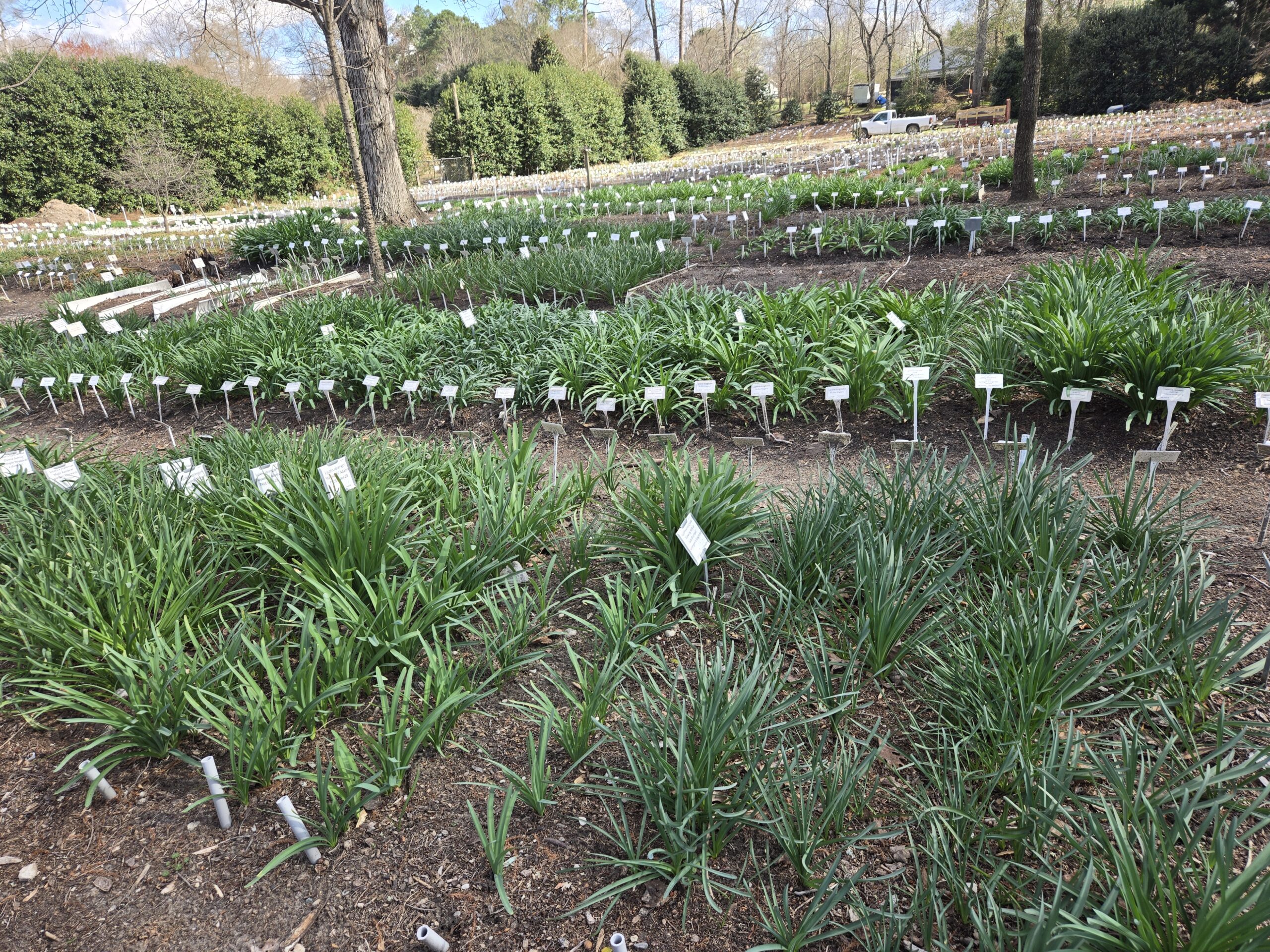
Most gardeners are so focused on the flowers of surprise lilies (Lycoris), they forget about the amazing foliage. There are two groups of surprise lilies: those which produce leaves in fall, and those which produce leaves in spring. The fall-leaf species and hybrids have foliage that emerges anywhere between September and November. With the hybrids,

Don’t forget the leaves Read More »

The Last Surprises

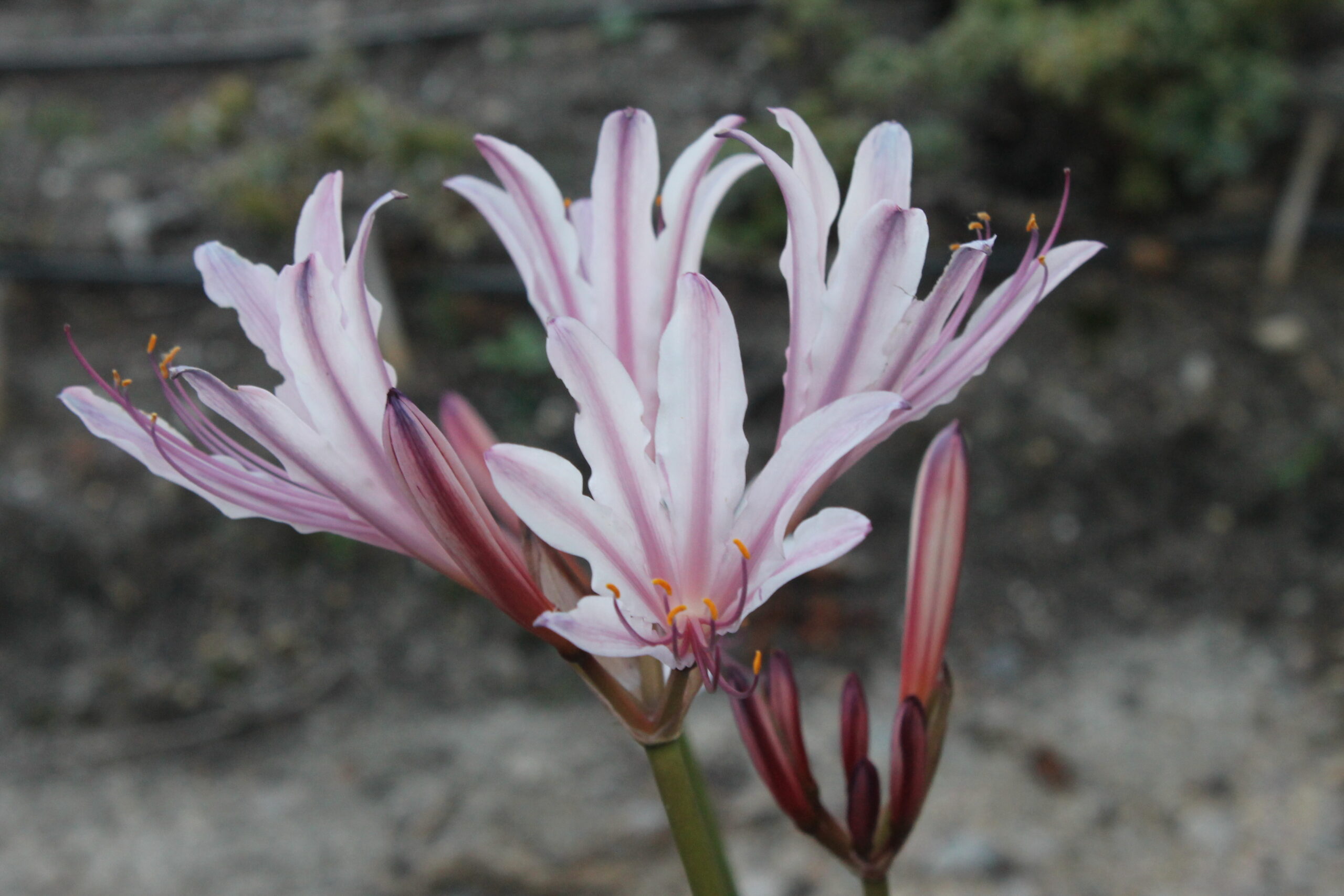
I posted photos earlier from our lycoris selection back in August, but the season extends through September and into October. Below are some of the later flowering varieties. With a selection of cultivars, you can easily have a lycoris in flower from early July until mid October. Lycoris ‘Tipping Point’ looks like the common Lycoris

The Last Surprises Read More »

Scroll to Top