screening plant

Cryptomeria japonica 'Araucarioides'

Puzzled Japanese Cedar

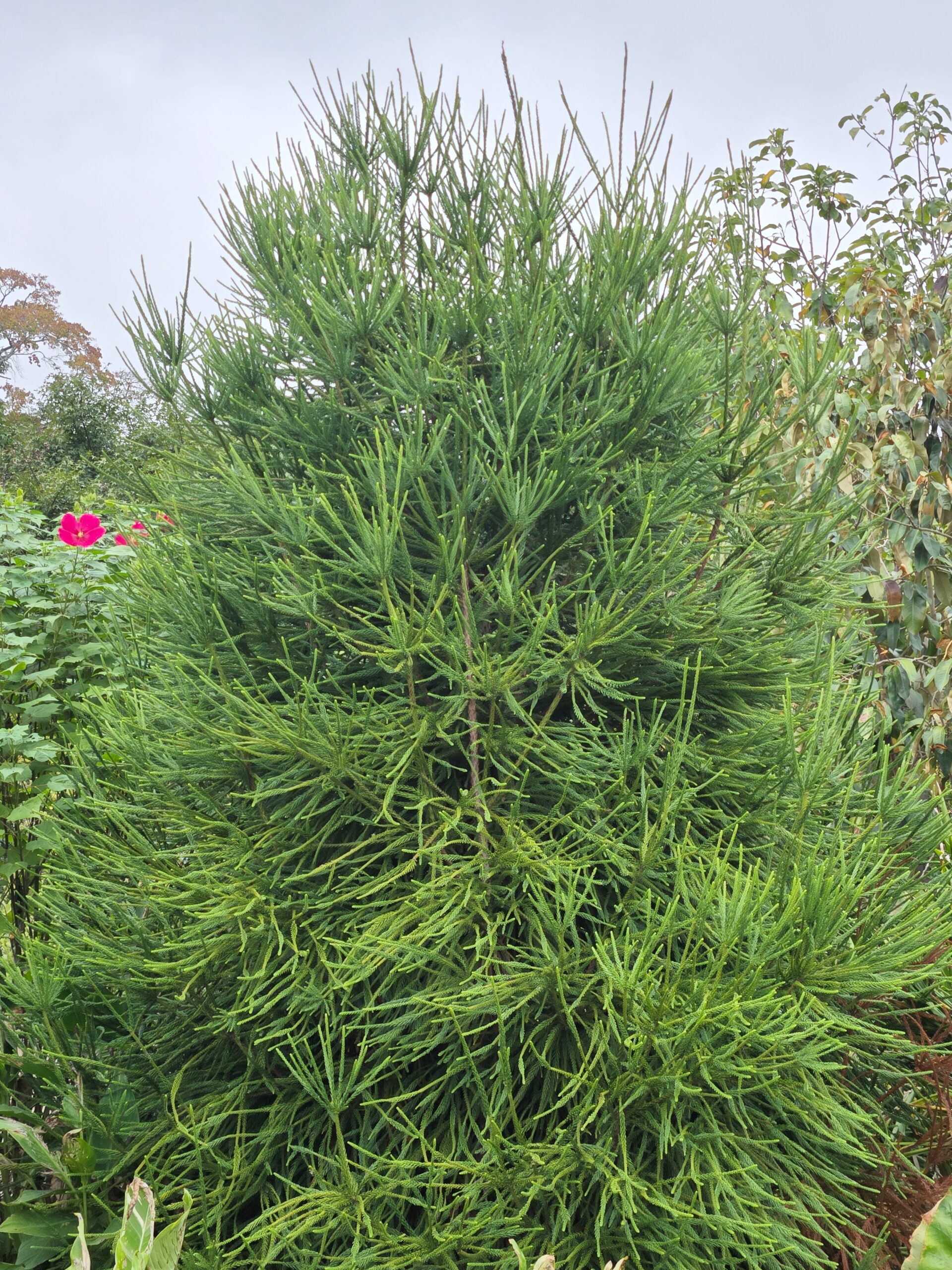
One of our longtime favorites of the Japanese cedar cultivars is Cryptomeria japonica ‘Araucarioides’. Most authorities have concluded that the original Japanese cultivar name is actually Cryptomeria ‘Enko’. The current name most likely came into use, when the plant was brought to Europe from Japan by German botanist, Phillip von Siebold in 1859. The long,

Puzzled Japanese Cedar Read More »
Aspidistra x sichlatior 'Screen Gem'

Cast Iron Hedge

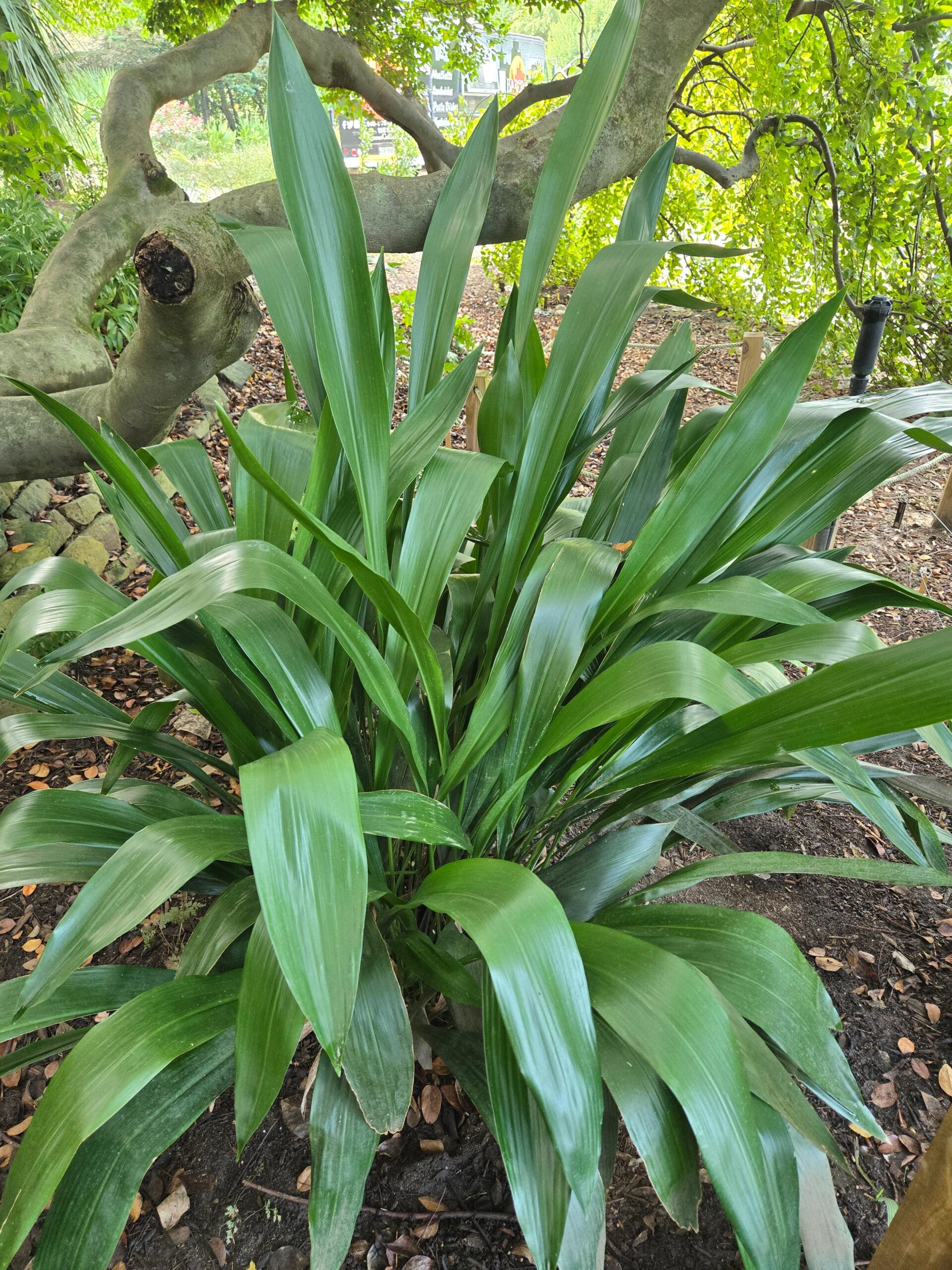
I can’t say that I’d ever thought about using cast iron plants as hedging, but we might need to rethink that with one of new hybrids. Aspidistra x sichlatior ‘Screen Gem’ is our hybrid of Aspidistra sichuanensis x Aspidistra elatior. This selection from our 2021 seedlings has already reached 4.5′ in height. Other than acubua,

Cast Iron Hedge Read More »

Cephalotaxus harrgintonia ssp. harringtonia

I See Yew

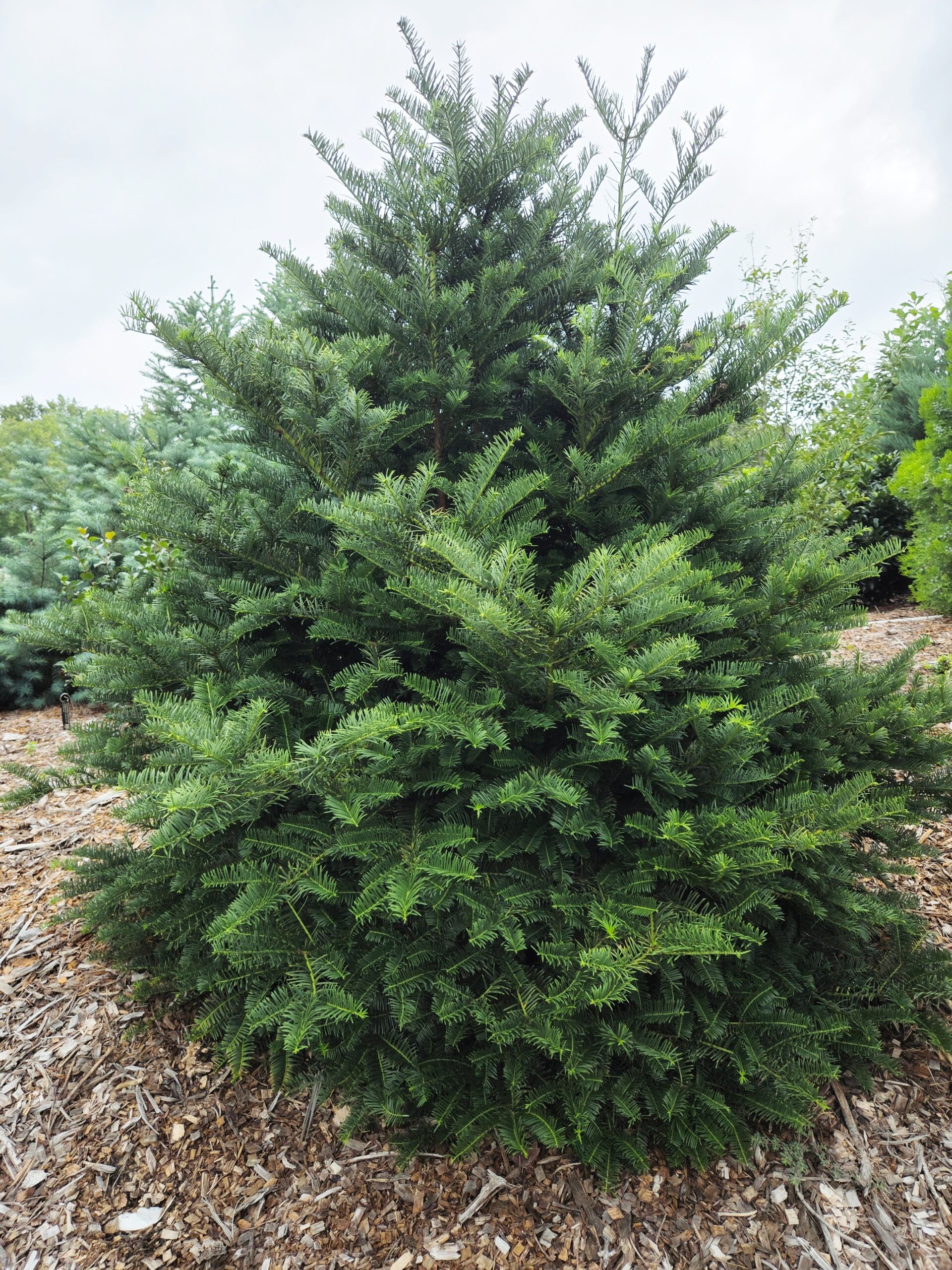
We’ve always loved false plum yews of the Asian genus, Cephalotaxus, which contains only eight species. In garden and nurseries, you’re most likely to see selections of the species, Cephalotaxus harrgintonia (or harringtonii), especially dwarf or columnar forms. Many years ago, I was enchanted by this wonderful form of the straight species, Cephalotaxus harrgintonia ssp.

I See Yew Read More »

Cryptomeria japonica 'Gyokuryu'

Here’s Lookin’ at Gyokuryu

We’ve long been a fan of the Japanese cedar cultivar, Cryptomeria japonica ‘Gyokuryu’. This excellent plant was first brought to the US from Japan in 1967, by famed rock gardener, Joel Spingarn, who was also a founding member of the American Conifer Society. For us, this mid-sized confiner tops out at 18′ tall x 10′

Here’s Lookin’ at Gyokuryu Read More »

Thujopsis dolobrata 'Jurassic Park'

Jurrasic Classic

It’s been a few years since we posted photos of one of our favorite conifers, Thujopsis dolobrata ‘Jurassic Park’. This little-known selection with dense, thick, plastic-like foliage, is most likely a tetraploid form of the wild species. We planted our first typical Thujopsis in 1999, but the cultivar Thujopsis ‘Jurrasic Park’ didn’t go into the

Jurrasic Classic Read More »

Ilex 'Solar Flare'

The Splendor of a Solar Flare

One of the finest variegated hollies to ever hit the market is the amazing Ilex ‘Solar Flare’. This sport of Ilex ‘Oakland’ was discovered and introduced by the former Unique Plant Nursery and Garden in North Carolina. Sadly, this plant is rarely seen in commerce, due to its slower than normal growth rate, as desired

The Splendor of a Solar Flare Read More »

Viburnum 'Moonlit Lace'

Moonlit Lace on a Moonlit Night

I was admiring our specimen of Viburnum ‘Moonlit Lace’ the other evening, and wanted to upate our previous post about its mature size. It’s still being touted on-line as maturing at 3-4′ tall x wide, which simply isn’t the case. This 9 year old specimen is currently 7′ tall x 12′ wide. Based on the

Moonlit Lace on a Moonlit Night Read More »

Thuja occidentalis 'Degroot's Spire'

A Phallic Native

There are few plants better to add a upright, phallic statement to the garden, than the native (Canada south to South Carolina) American arborvitae, Thuja occidentalis ‘Degroot’s Spire’. It is truly odd that I’ve never heard a native plant talk that recommended planting this…hmm. I’ve grown this in every garden I’ve every built, valued for

A Phallic Native Read More »

Ilex cornuta 'O. Spring'

O. Spring in Winter

Looking lovely in the winter garden is the variegated foliaged Ilex cornuta ‘O. Spring’. We’ve grown this informal-shaped holly for almost 40 years. Although it’s a male, and consequently doesn’t fruit, the foliage is more than enough reason to grow this, where space permits. The holly is named for the late Otto Spring, so the

O. Spring in Winter Read More »

Scroll to Top