trial gardens

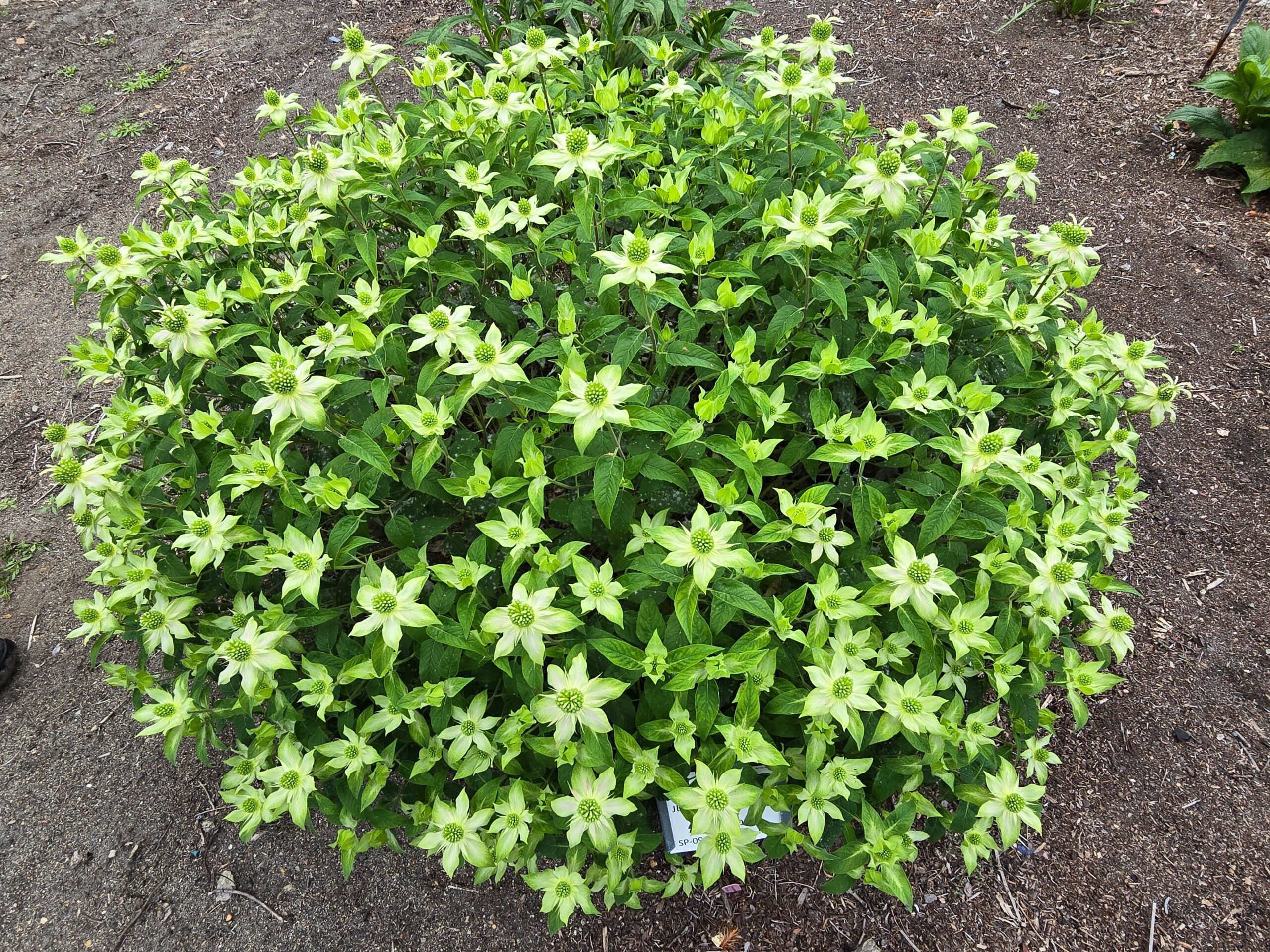
Monarda stipitaglandulosa

Glade Runner

Although it was discovered by U.T. Waterfall (not making this up), in McCurtain County, Oklahoma, in 1966, and subsequently named in 1970, the Glade Bee Balm, Monarda stipitaglandulosa is still little-known in gardens. This is only found in Arkansas and adjacent Oklahoma, where is grows in glades and open woodlands, over alkaline rock. These odd

Glade Runner Read More »

Musella rubrobracteata 'Sunrise'

If Live Gives you Bananas, Make ’em Orange

When I first read the 2010 paper describing the discovery of an orange-flowered Musella (dwarf yellow banana), I was hopelessly hooked, and my heart filled with lust. Hanging out at 4,000′ elevation in China’s Sichuan province was a previously undiscovered population of only 130 orange-flowered plants, compared the more typical yellow. When you have grown

If Live Gives you Bananas, Make ’em Orange Read More »

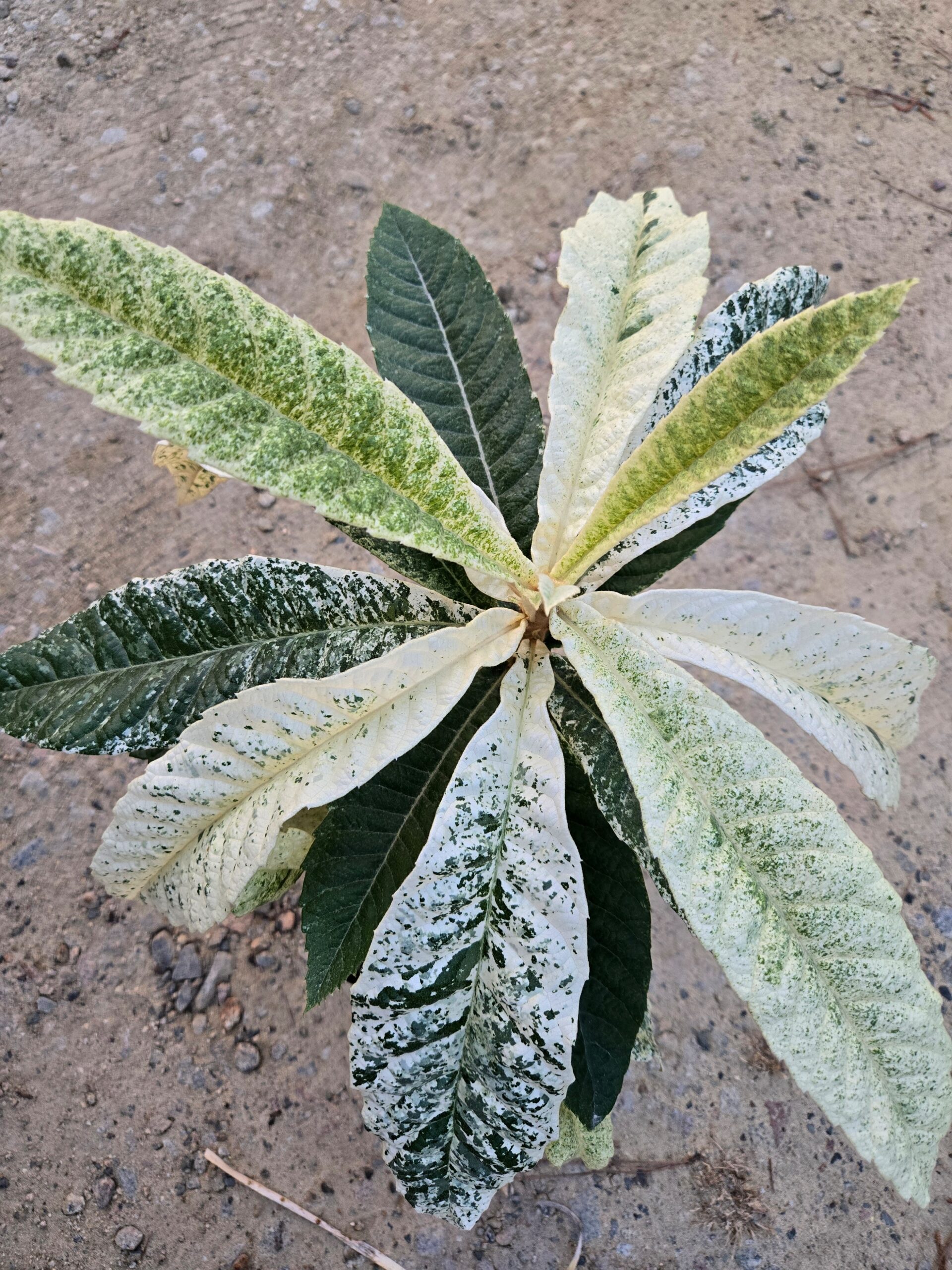
Eriobotrya japonica 'Ghostbuster'

Somethin’ Strange in your Neighbors Garden…Who ya Gonna Call?

Eriobotrya japonica ‘Ghostbuster’ is our new loquat seedling, grown from seed from our spring, speckled-leaf selection in the garden. While most of the seedlings show some degree of speckling in spring, this gem is by far, the cream of the crop, with no sign of foliar burn. The foliage ages to green in summer, giving

Somethin’ Strange in your Neighbors Garden…Who ya Gonna Call? Read More »

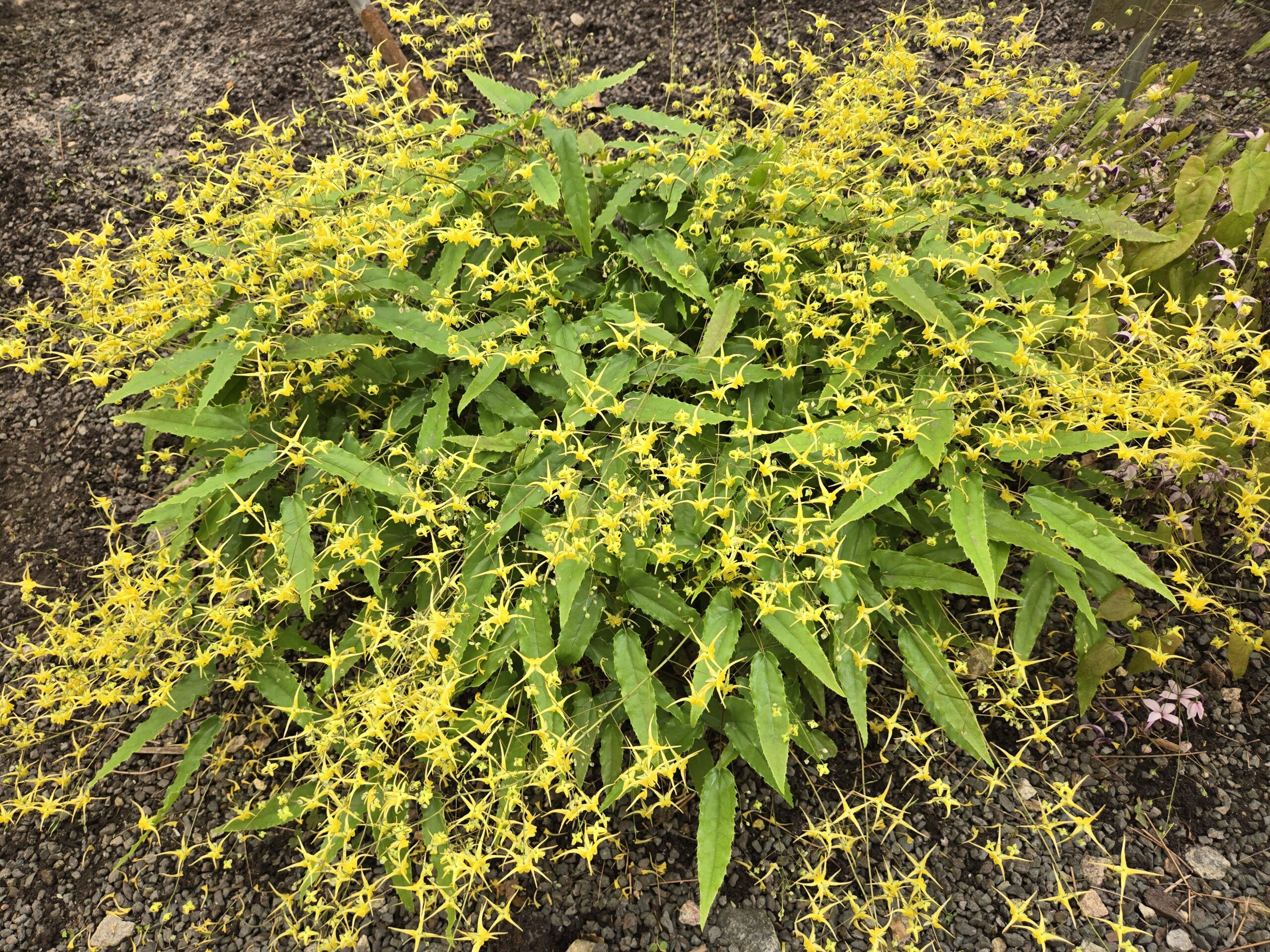
Epimedium 'Lyrical Lemonade'

Red Bull may give you Wings, but we prefer Fairy Wings

Epimedium breeding has come so far in the last few years, they look nothing like some of the still commonly sold selections. Below are just a few fairy wings that look amazing now at JLBG from our recent photo sessions. Looking absolutely amazing in the garden is Epimedium ‘Lyrical Lemonade’. In the history of fairy

Red Bull may give you Wings, but we prefer Fairy Wings Read More »

Ceratozamia microstrobila

Small-coned Cycad

Ceratozamia microstrobila has been an amazing cycad in our trials, as you can see from the recent photo below. This rare species hails from the Sierra Madre Oriental mountains of Northern Mexico (Tamaulipas and San Luis Potosi), where there are only six populations remaining in the wild. Our 13 year old garden specimens have thrived in

Small-coned Cycad Read More »

Scroll to Top