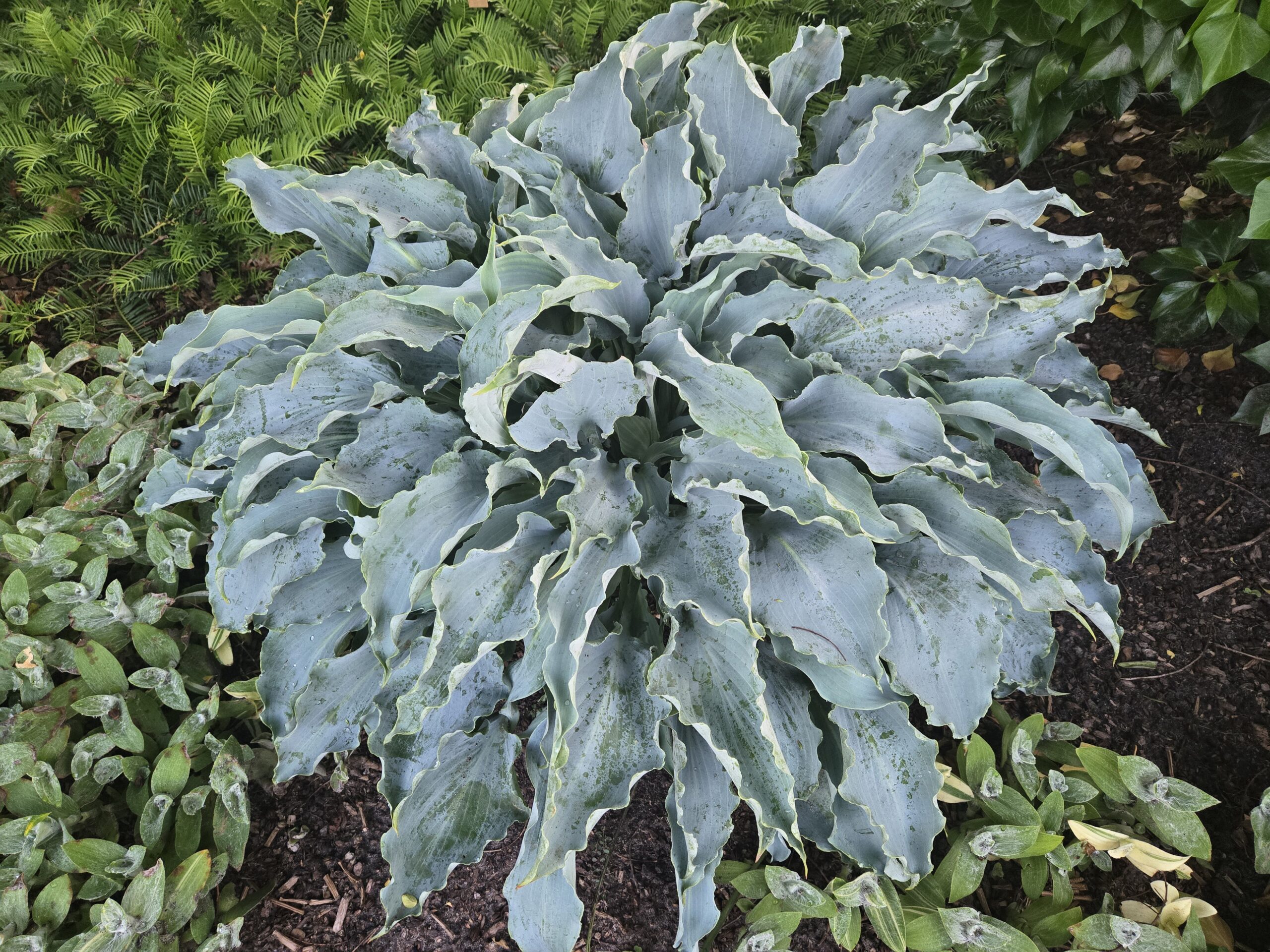
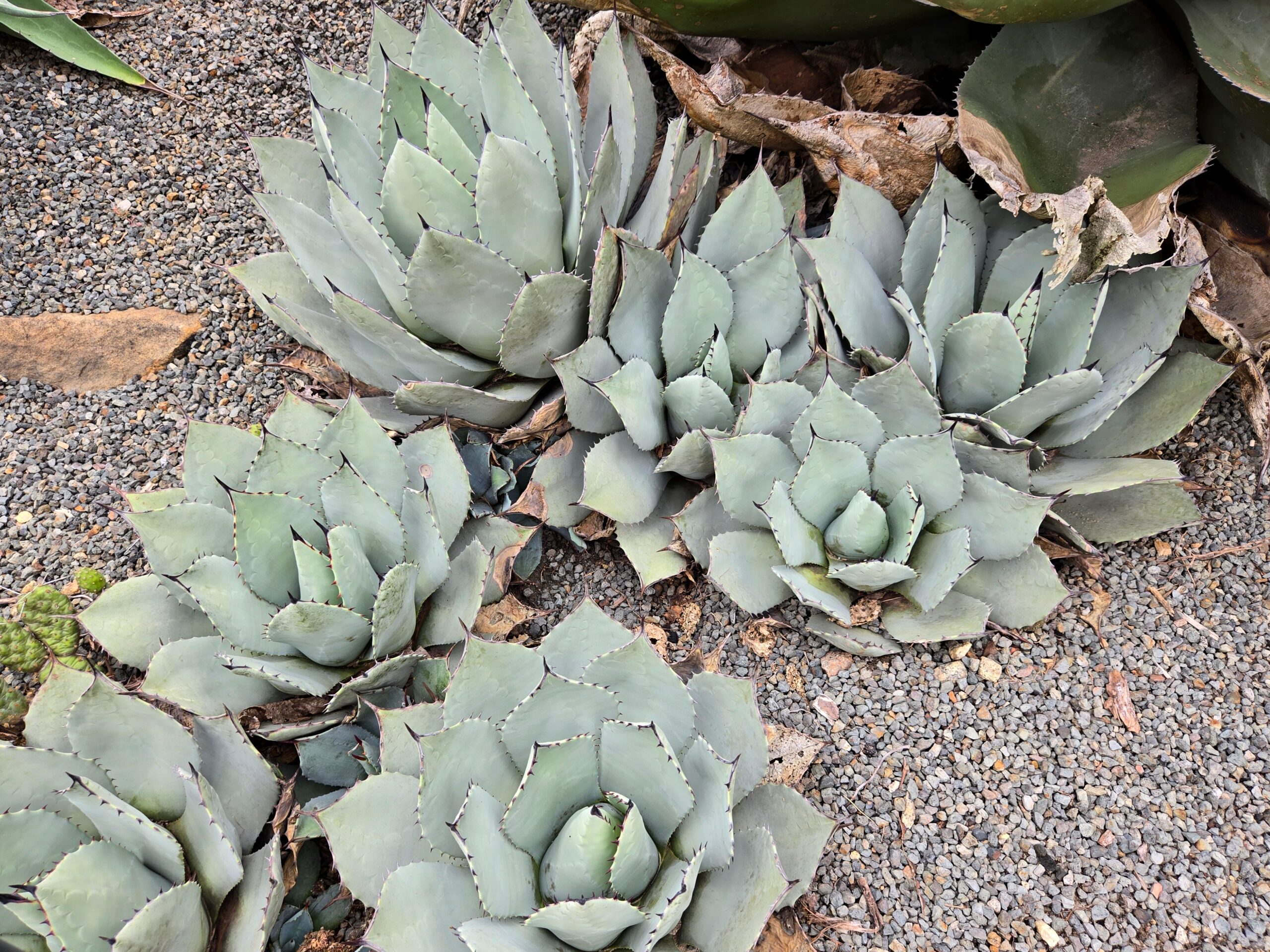
blue foliage

Sorghastrum nutans 'Slim Pickens'

The Redemption of Being Slim

Posing for a photo this week behind Colocasia ‘Redemption’ is a patch of Sorghastrum nutans ‘Slim Pickens’. This amazing form of the US native Indian Grass, named both for it’s form, and nativity to Pickens County, SC, has surpassed all other clones in the trade, in our trials at JLBG. The blue foliage, narrow form,

The Redemption of Being Slim Read More »

Agave x protamericana 'Silver Surfer'

Silver Surfer Returns

In 2007, we released an amazing silver blue, winter hardy form of Agave x protamericana, named A. ‘Silver Surfer’. Unfortunately, the tissue culture lab that was producing it for us closed, and supplies over the last decade have been virtually non-existent. We’ve reverted by to our old, less efficient method of using offsets, which are

Silver Surfer Returns Read More »

Yucca rostrata 'Sapphire Skies'

The Rising Sapphire Skies

Our specimen of the North American native, Yucca rostrata ‘Sapphire Skies’ is looking quite lovely in the January garden. This is one of the tallest of the hardy blue-foliage soapworts, thriving well into Zone 6, and south through Zone 9. This clump is sixteen years old this year, so it’s officially entering adulthood, when growth

The Rising Sapphire Skies Read More »

Chamaerops humilis var. argentea

Hard to top a Chamaerops

We love our Mediterranean blue fan palms! While there are several blue foliaged palms for gardeners in tropical climates, Chamaerops (Kam her hops) humilis var. argentea is the only one we’ve found reliable in our Zone 7b/8a garden. Mediterranean blue fan palm hails from high elevations in the Atlas Mountains of Morocco, where it eventually

Hard to top a Chamaerops Read More »

Panicum amarulum 'Johnston Blue'

Another Panic-ed Name Change

A splendid native ornamental grass that is virtually unknown in both gardens and Google, is the East Coast (Rhode Island south to Mexico’s Yucatan peninsula) coastal native, Panicum amarulum or dune switchgrass. It was named in 1900 from specimens in Virginia Beach, and for years lived a free and independent life, until someone decided that

Another Panic-ed Name Change Read More »

Scroll to Top